
Attachment-Based Therapy
At The Flatiron Center


Attachment-Based Therapy addresses problems in relationships, emotional regulation, self-worth and self image.
Your attachment style isn’t just about your early childhood relationships, it’s about how you relate to yourself and others in the present — which is why it’s also linked to mood, thinking, personal identity, and overall functioning.
Are you uncomfortable, unsure, unable to be yourself around friends and loved ones?
Do you push people away, even when you crave greater closeness?
Do you find yourself stuck in the same troubled relationship patterns, even when you know they’re not working?
Do you often feel distant and disconnected, but you’re not sure why?
Understanding your attachment style and patterns provides not only a pathway to more meaningful relationships, but a window into how you see yourself and navigate the world around you.
Clients Come To Us When They:
Become repeatedly stuck in stormy or troubled relationships
Habitually date the wrong people
Encounter frequent conflicts at work, school or home
Feel guarded or defensive for no reason
Struggle to maintain healthy long-term relationships
Feel unsure who they are or what they want out of life
Unintentionally push others away
Feel like they lose themselves in relationships

Sometimes attachment issues reflect a history of overt abuse or neglect, but not always. The impact of interpersonal history can also be subtle, and many people don't recognize these issues until feelings of discomfort, self-doubt, or emotional dysregulation emerge in adult relationships.
Not Sure If It’s Even an Attachment Issue?
That’s okay. Clients often come to us when they’re simply feeling off, stuck or unhappy for reasons they can’t quite put their finger on. Whether such feelings are related to attachment or not, we're here to help you understand what's happening and recommend the right path forward.

Attachment-Based Therapy at TFC
TFC’s approach starts with a strong therapeutic relationship. This is your “home base:” A relationship with your therapist that is safe, trusting, nonjudgmental and compassionate serves as a stable foundation for exploring these issues.
From there, we'll look at not just your early relationships, but how these inform the present day beliefs and expectations that shape how you both relate and how you experience yourself. Together we'll begin to notice the behavioral patterns and underlying hopes and fears that show up in today’s romantic relationships, friendships, family dynamics, or even at work.
As therapy unfolds, we’ll have many opportunities to not just identify these patterns, but to discover new ways to think about yourself and how you approach relationships.
Modalities We Use
-
This is our starting point: Understanding how early relationships shape present-day expectations, emotions and interactions. As these patterns become clearer, self-awareness grows and new ways of relating become possible.
-
DBT offers a variety of tools that help with navigating conflict, shame and emotional dysregulation that are common to certain attachment styles, but can also emerge for any of us struggling with relationship issues.
-
Many psychological factors that promote healthy relationships– such as openness, capacity for intimacy, self-awareness and personal agency– are also developmental accomplishments. This framework can help us understand where you’re stuck or struggling.
-
A dynamic perspective further deepens our understanding of your attachment style, and helps illuminate unconscious attitudes and assumptions that shape your actions and expectations in relationships.
-
All psychotherapy at TFC is philosophically person-centered. Increasing your ability to see yourself and others with greater honesty, curiosity and compassion is key to better relationships, and enhanced well-being in general.
Understanding Your Style
Healthy relationships start with your relationship to yourself.

After Attachment-Based Therapy With Us, Clients Report:
Feeling more confident, at ease, self-assured
Recognizing and managing emotional triggers more effectively
Knowing their own boundaries and how to address them when needed
Asking for what they need or want in relationships more clearly
Perceiving others more honestly and accurately
Addressing conflict more constructively
Decreased anxiety and insecurity in close relationships
Better understanding who might be a good partner for them
Both making and maintaining more fulfilling personal connections
Clients often come to therapy looking to fix relationship issues. At TFC, they leave with this — and something even more valuable: A deeper appreciation of why relationships have felt so fraught in the first place.
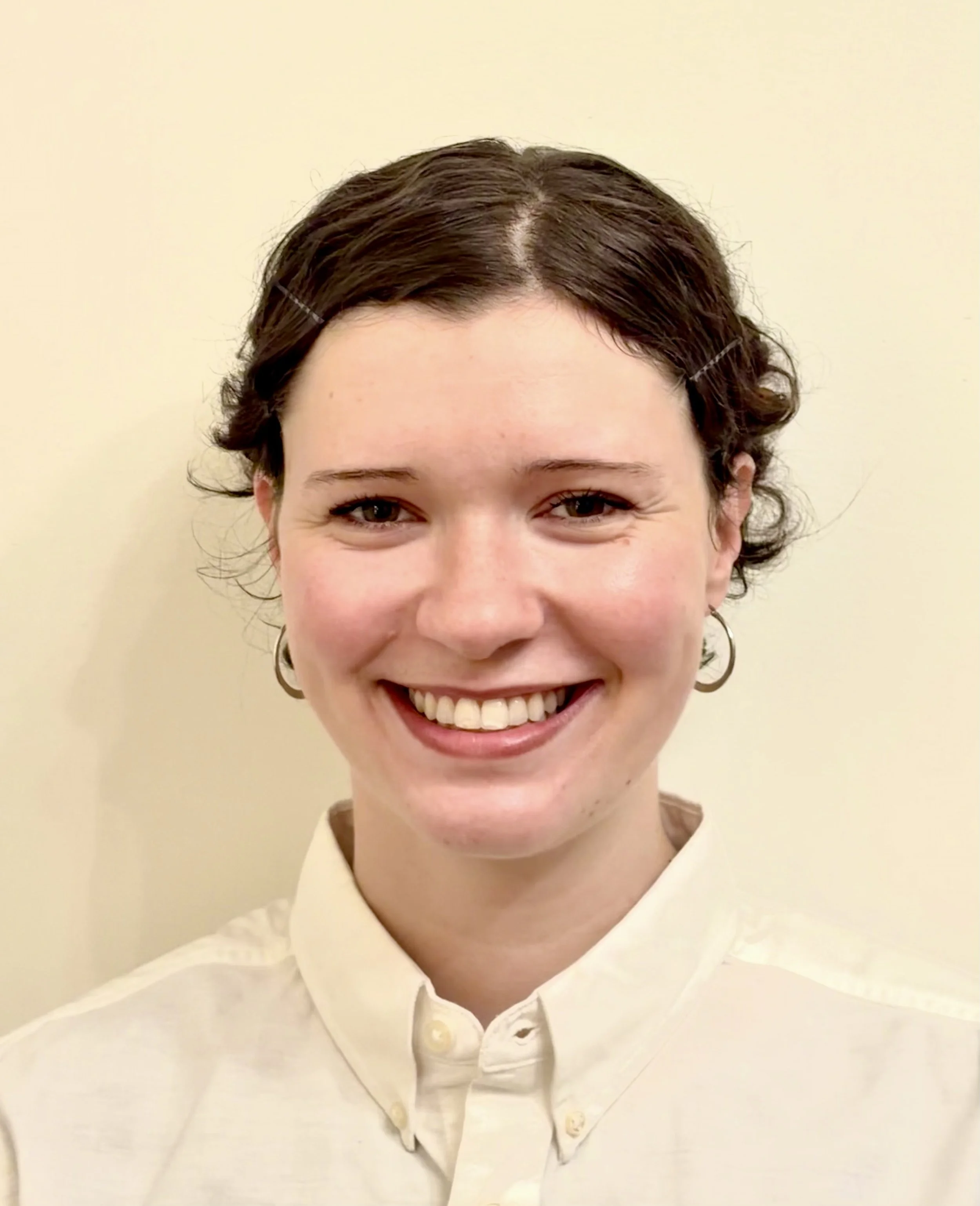
Our Attachment Therapists
-
![Lindsey Wolfram, Ph.D.]()
Dr. Lindsey Wolfram, Psychology Fellow
Limited Permit Psychologist
-
![Dr. CJ Healy, Ph.D.]()
Dr. CJ Healy, Senior Fellow
Limited Permit Psychologist
-
![Dr. Ellie Farmer, Ph.D.]()
Dr. Ellie Farmer, Psychology Fellow
Limited Permit Psychologist
-
![Dr. Daniel Collins, Ph.D.]()
Dr. Daniel Collins, Senior Fellow
Limited Permit Psychologist
-
![Dr. Zoë Bressler, Psy.D., Postdoctoral Fellow]()
Dr. Zoë Bressler
Supervising Psychologist




About The Flatiron Center

We're a New York City-based practice built around understanding people, not just diagnoses.
All of our clinicians are Ph.D. level psychologists. They have advanced training in OCD, anxiety, trauma, attachment, and relationship concerns. Each therapist brings a unique perspective while sharing the same commitment to individually tailored, evidence-based care.
While many clinics begin with symptoms, we begin by understanding how you experience yourself, your relationships, and your world. That perspective shapes every recommendation we make and every treatment plan we create.
Whether you're struggling with dating, marriage, friendships, family relationships, or simply feeling disconnected from yourself, our goal is to help you better understand the patterns that have shaped your life and discover new possibilities for moving forward.
Availability: We provide in-person therapy in New York City, and telehealth sessions across New York state.
Get Started in 3 Simple Steps
-
Simply reach out through our contact form. We'll get back to you to set up a brief conversation to learn more about what you're experiencing and answer any questions you have.
-
Based on that initial conversation, we'll recommend the clinician whose expertise and approach best fit your needs, goals, and personality.
-
Together, you and your therapist will start better understanding your relationship style, patterns and underlying beliefs and expectations. We’ll help you see yourself and others with greater clarity and build healthier, more secure ways of relating.